Ask and one comes back for the model you name, or for the shortlist if you have not chosen yet.
What a datasheet from us contains
Written for the person who has to install and run the machine rather than for a brochure:
- Overall dimensions and weight, including the working envelope — the space the machine needs when it is operating, not just when it is parked.
- Power supply — phase, voltage, connected load and the recommended protection.
- Air, where the machine needs it — pressure and consumption, which decides whether your existing compressor will carry it.
- Output, stated against a defined pack, because output per hour with no pack size against it is a marketing number.
- The consumable it is built around — strap width and thickness, tape width, film micron and core.
- The wear parts, so your stores can plan before the machine arrives rather than after the first stoppage.
Who in your plant reads which part
One datasheet usually passes through four or five desks before a purchase order is raised. Each reader looks for something different, and knowing that lets you forward the sheet with a note on what each person should check.
| Reader | What they check | Why it matters |
|---|
| Electrician or electrical contractor | Phase, voltage, connected load and recommended protection | The point at the bench must be terminated and tested before the machine arrives |
| Maintenance | Working envelope, air pressure and consumption, wear parts | Decides where the machine stands, whether the compressor copes and what goes on the stores shelf |
| Production | Output against the stated pack, consumable specification | Shows whether one machine keeps pace with a shift on your pack |
| Purchase | Model and configuration | Must match the quotation line by line so the order is processed without clarification |
| Safety or insurance | Guarding fitted | Some plants and insurers want it in writing before the machine is admitted |
In smaller units one person often does several of these jobs. Reading the sheet once for each role is still quicker than finding a missed line after delivery.
What it does not contain, and why
We do not print a certification we do not hold, and we do not reproduce a manufacturer's model name or certification for a machine we did not build.
For the PackForge models, the specification is the one printed in that catalogue, unchanged. Where a figure on this website came from the catalogue, the datasheet says so, so you know which document to hold us to.
Where the figures on a sheet come from
For the machines we build, the specification is fixed at the Faridabad works, and every unit is worked with strap, tape or film before packing. The output and consumable lines on a sheet describe that run. Name the consumable you actually buy and we can run the test on it.
Not every component is ours, and the sheet does not pretend otherwise. Imported parts, meaning sealing heads, motors, pneumatics and controls sourced from China and Taiwan, are checked at the works before fitting, while frame, assembly, wiring and testing stay in-house.
Because the plate on every machine ties it to an order, the order reference or a photograph of that plate lets us look up the parts fitted to your unit years later. That matters once the current model has moved on and the sheet in your file no longer matches the catalogue.
What to send so the right sheet comes back
If you know the model, the model name is enough. If you do not, send the work instead: carton or load size, weight, packs per shift, and the consumable you already buy. You will get sheets for two or three machines that fit, with a note on where they differ.
If the machine is going into an existing line, say what is upstream and downstream of it. A strapping machine that has to take a carton off a conveyor at a fixed height is a different specification from one on a standalone bench.
Drawings and approval documents
For projects that need it, a general arrangement drawing can be issued for approval before the build. Ask at the enquiry stage rather than after the order, because a drawing approved late is a build slot lost.
If your plant requires the machine to be entered on an asset register or an insurance schedule before it arrives, tell us what fields that form needs and we will fill them in rather than sending you a brochure to extract them from.
Documents that can travel with the datasheet
A datasheet answers what the machine is. Other documents answer how it is installed, run and kept running, and they can come in the same reply if you ask for them together:
- Spare parts list. The wear parts for the model, named as they appear on the machine, for your stores.
- Operating manual. Setting, running and cleaning, and the checks an operator makes each day.
- Installation notes. Floor, power, air and working space needed before delivery.
- Electrical details. Supply, phase and load for the model, for your electrician to check at the bench.
- Quotation. The commercial offer, kept as a separate document so specification and price can each be approved by the right desk.
Documents are sent as PDF, which survives forwarding inside a purchase department; a drawing can come in whatever file format your engineers work in. The full list is on the downloads page.
How to read a specification without being misled
Specification sheets are written to be true and to flatter at the same time, ours included, and there are three places where a careful reader should look twice.
Output per hour. Meaningless without the pack it was measured on and the operator assumption behind it. A figure measured on a small light carton with a practised operator will not survive your bench. Ask what it was measured on.
Power rating. Connected load and running load are different numbers. The first decides your cable and protection; the second decides your bill. A sheet that gives only one is only half useful.
Dimensions. The footprint is not the space the machine needs. Add the working envelope — where the operator stands, where the reel swings out, where the arch opens, and where a maintenance fitter has to get to. That is the number that decides whether it fits.
Checking the sheet against your site
A datasheet earns its keep when someone walks the site with it before the order is placed. Five checks catch most of the problems that would otherwise surface on delivery day.
- Route in. Compare the overall dimensions and weight, plus the packing around them, with the narrowest gate, doorway, lift or ramp the machine has to pass.
- Floor. Most machines need only a sound, level floor. Where a foundation is needed, the sheet says so and gives the requirement.
- Power. Match phase, voltage and connected load to an actual point at the bench, not to the supply available at the main board.
- Air. Where pressure and consumption are listed, check them against the spare capacity of your compressor and the line run to the bench.
- Consumable. Hold the sheet next to the strap, tape or film in your store and compare width, thickness and micron.
Mark anything that does not fit and send the marked sheet back. We will say whether the machine can be configured differently, whether another model suits better, or what the site needs before delivery.
Units, and the mistakes they cause
Everything we publish is metric: millimetres for dimensions, kilograms for weight, bar for air pressure, millimetres for strap width and microns for film. If your plant works in inches or in gauge, convert once and write the converted figure on the enquiry rather than sending both — a sheet carrying two sets of numbers is a sheet somebody will read the wrong half of.
Strap is the usual trap. Strap width is quoted in millimetres and thickness in millimetres to two decimal places, and a machine set for 0.55 mm will not behave the same on 0.63 mm. If you know your strap only by its trade name, send a photograph of the reel label and we will read the specification off it.
Questions we are asked
Is the datasheet the same as the quotation?
No, and it is worth keeping them separate. The datasheet is the specification; the quotation is the commercial offer. Most buyers want both, and we send them together on request.
Can I have a datasheet before I decide to buy?
Yes, with no obligation. A specification you can compare is how a serious buyer chooses, and we would rather you compared properly.
Do you provide a CAD drawing?
A general arrangement drawing can be issued for approval on request. Tell us the format your engineering team works in.
The website shows a figure that is not on the datasheet. Which is right?
The datasheet. If you find a difference, tell us — that is a mistake on our side and we want to correct it.
Can you send datasheets for two machines so I can compare?
Yes, and that is the normal request. Say what you are comparing for and we will point out where the two genuinely differ rather than leaving you to spot it.
Our engineering team wants the electrical schematic. Is that available?
Ask, and say what it is for. For a machine going into an existing control scheme it is a reasonable request and we will tell you what we can provide.
Does the datasheet cover the safety guarding?
It states what guarding is fitted. If your plant has its own guarding standard, send it at the enquiry stage rather than after the machine arrives.
Can you mark up a datasheet with our configuration?
Yes, and for anything configurable it is worth having. A sheet that shows your arch size and your table height is what your maintenance team should be given, not the generic one.
Our insurer wants the machine's guarding and safety details in writing.
Ask, and say what the insurer's form is looking for. It is a common request and it is easier for us to answer their questions than to send a document you have to mine.
Which machine?
Name the model, or send your carton size and we will send the sheets that fit.
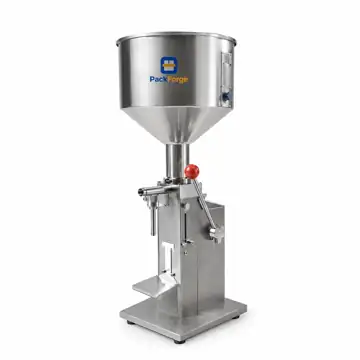 PackForge 1000P Pickle Filling Machine
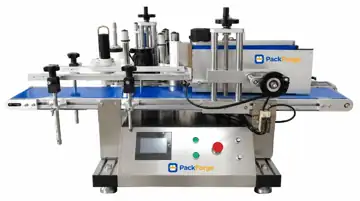 PackForge ALM Online Automatic Labelling Machine
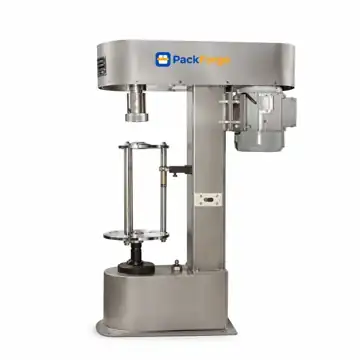 PackForge CL40 Cap Closing Machine
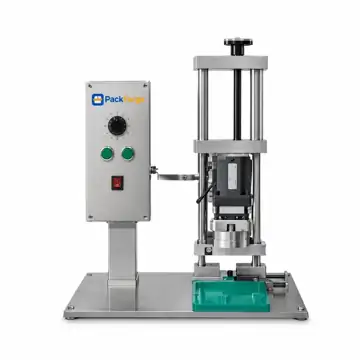 PackForge DEC80 Desktop Electric Capping Machine
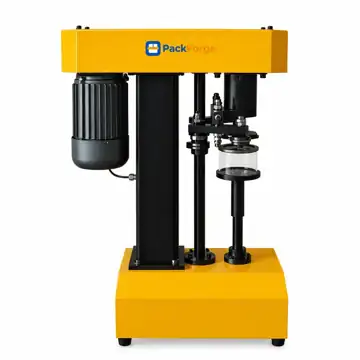 PackForge ECS150 Electric Can Sealing Machine
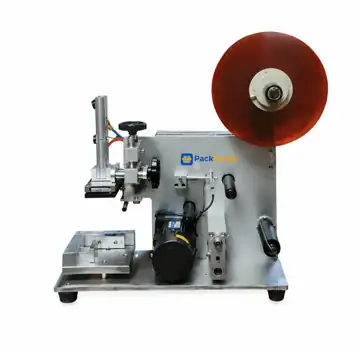 PackForge FBL PN Flat Bottle Labelling Machine
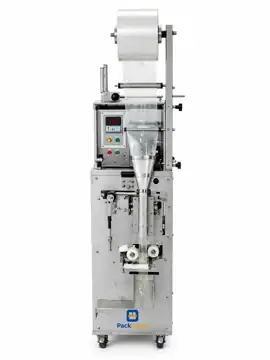 PackForge GF100 Mini Granule FFS Machine
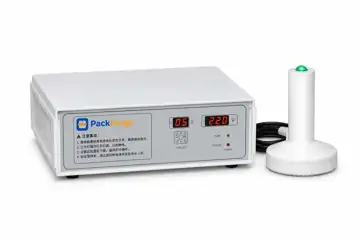 PackForge Induction Sealing Machine 20-130 mm | Bottle Cap Foil Sealer
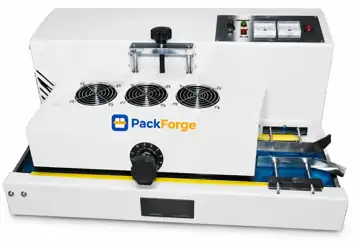 PackForge IS200 Continuous Induction Cap Sealing Machine
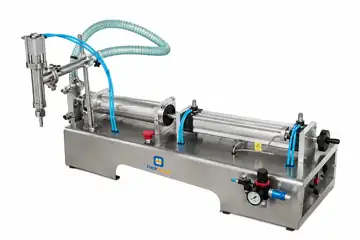 PackForge LF Series Pneumatic Liquid Filling Machine
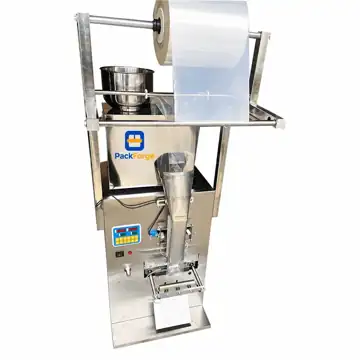 PackForge LP1000 Liquid Pouch Packing Machine
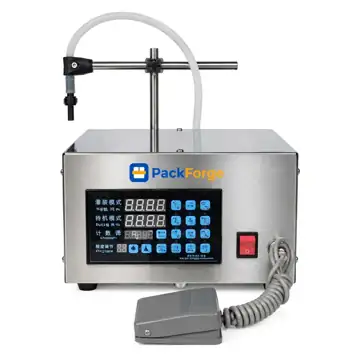 PackForge MLF200 Mini Liquid Filler Machine
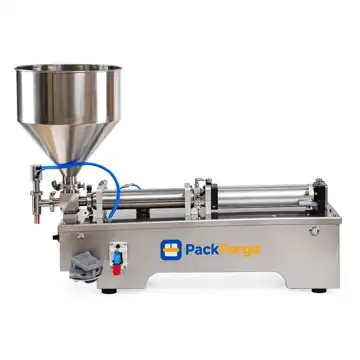 PackForge MPF50 Manual Paste Filling Machine
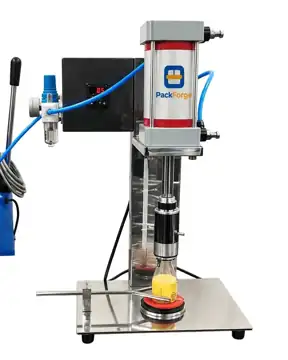 PackForge PCC Pneumatic Crown Capping Machine
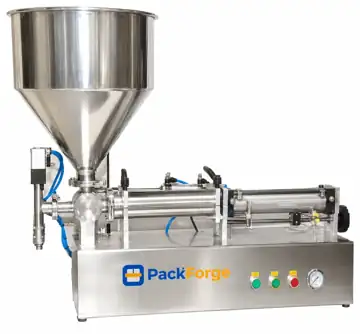 PackForge PF Series Pneumatic Paste Filling Machine
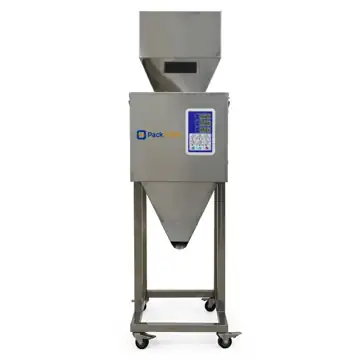 PackForge PGF200 / 999 Powder & Granule Filler
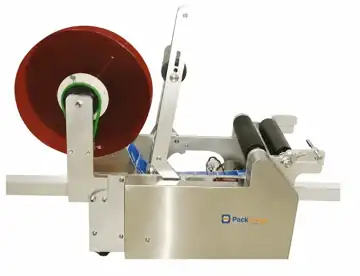 PackForge RBL Round Bottle Labelling Machine
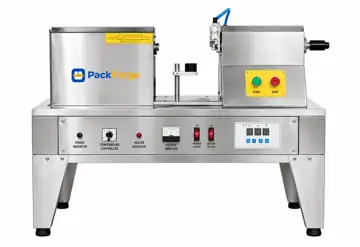 PackForge UTS Ultrasonic Tube Sealing Machine
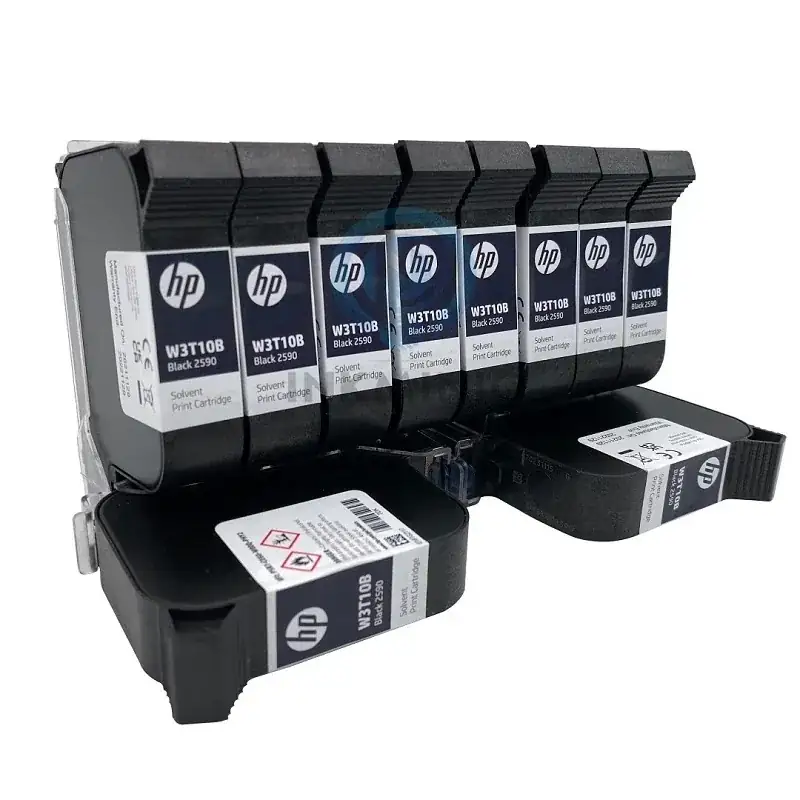 PackForge 2590 Black Solvent Ink Cartridge W3T10B
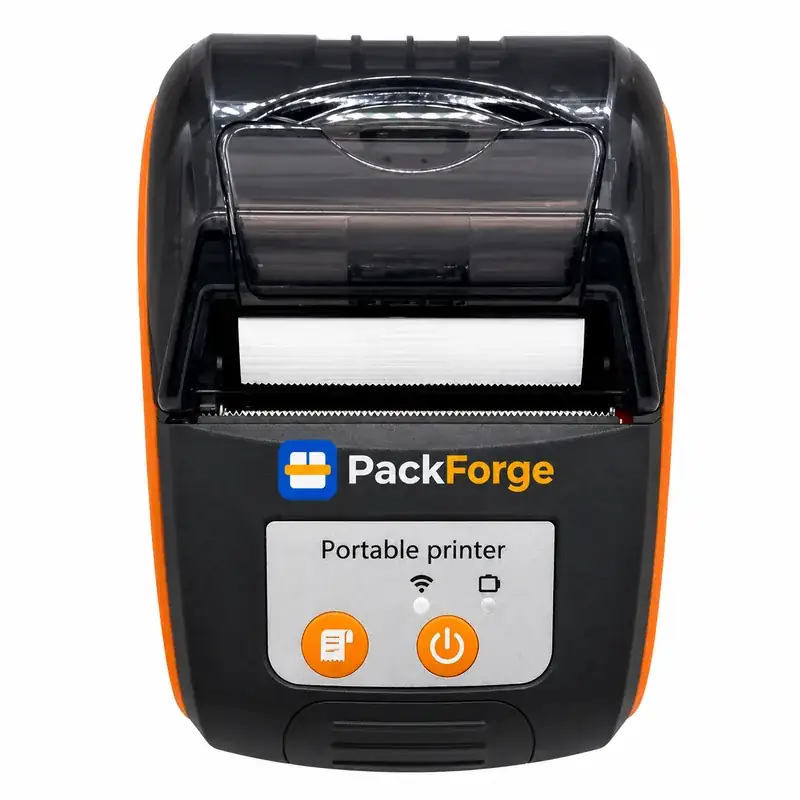 PackForge Bluetooth Thermal Label Printer with 10 Rolls
