Imported Machine Components, Checked and Assembled at Faridabad
We import the parts that set a machine's sealing, drive and control from established suppliers in China and Taiwan, then inspect, assemble and run-test them at our Faridabad works.
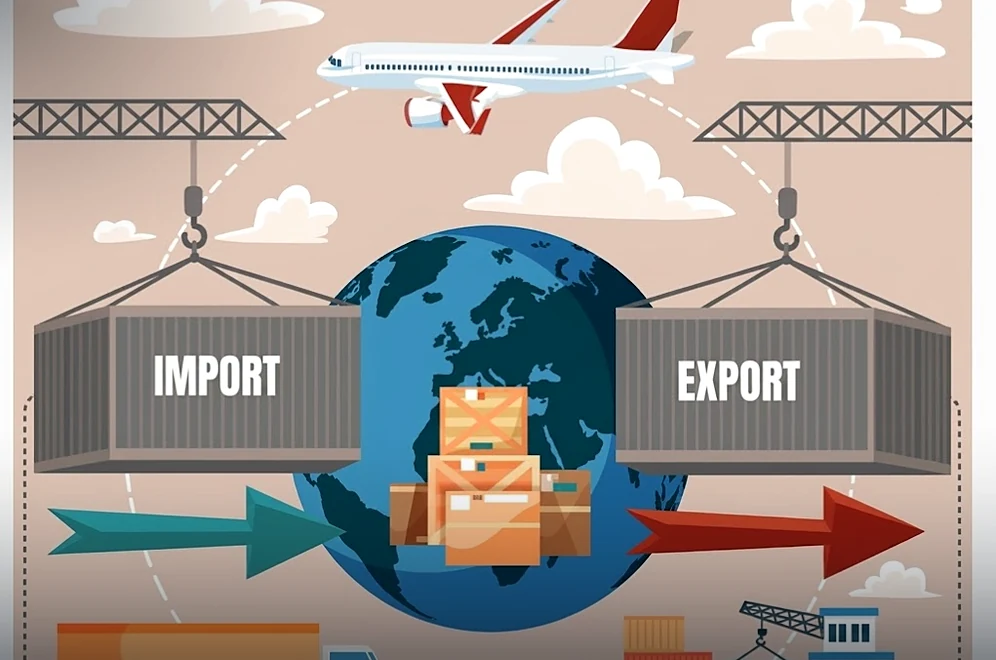
Which parts we import, stated openly
Some sellers would rather not say where the parts inside a machine come from. We think a purchase manager is entitled to know before signing an order, so here it is in plain words. In PackForge machines, four groups of parts are imported machine components, bought from established suppliers in China and Taiwan:
- Sealing heads – the part that applies heat and pressure to film or strap and makes the seal.
- Motors – the drives behind belts, conveyors, turntables and strap feed.
- Pneumatics – cylinders, valves and fittings on the air-operated models.
- Control components – the boards, timers, switches and sensors that run the machine's cycle.
We do not call these parts Indian-made, because they are not. What happens to them in India is inspection, assembly into a frame fabricated at our works, wiring, and a run-test before the machine is packed. How the rest of the machine is built is described on our in-house manufacturing page.
Why PackForge imports these components
Most of a packing machine is steel: frames, guards, arches, beds and brackets. That work is done at our own Faridabad works. The four groups above are different. They are produced in very large numbers by specialist component makers, and a buyer's machine is better served by a proven design from such a maker than by a part made in small batches for one machine.
Our mission commits us to components sourced from suppliers we have tested. In practice that means a short list of suppliers whose parts have behaved well in our own machines, and a reluctance to switch source for a small saving. A motor that runs hot or a valve that sticks costs a plant far more in lost output than it ever saved on the purchase price.
Standard-pattern components also help long after the sale. A sealing head or a valve from an established maker is a part we can keep on the shelf, so a replacement does not depend on one small workshop still being in business when you need it.
Incoming inspection: how imported machine components are checked
Imported parts are inspected at Faridabad before they go into a machine. The checks are practical rather than elaborate. Is this the part we ordered? Did it survive the journey? Does it work on the bench, before it is fitted deep inside a machine where a fault is much harder to find?
| Component | What we look at on arrival | Why it matters to you |
|---|---|---|
| Sealing heads | Correct type and size for the model; heating parts and sealing surface free of damage | An uneven sealing surface gives a weak or wavy seal |
| Motors | Rating plate matches the order; shaft turns freely; motor runs on the bench | A wrongly rated motor overheats or under-drives the line |
| Pneumatic parts | Cylinder and valve type match; ports and threads clean; movement is smooth on air | A sticking valve causes missed or late strokes |
| Control components | Correct board or switch; connectors intact; responds when powered | A control fault stops a machine outright |
A part that fails these checks is set aside and not fitted. It does not go into a machine to wait for a buyer to discover the fault on a busy shift. This inspection is part of the ISO 9001:2015 quality management system under which PackForge works.
From imported part to finished, run-tested machine
Once inspected, components move to assembly. The frame they are fitted into is fabricated at our works, and the machine is assembled and wired by our own team. This is the step where an imported part becomes part of a PackForge machine: the sealing head is aligned to the frame, the motor is coupled to its drive, air lines are run to the cylinders, and the control panel is wired to all of them.
Every machine is then run-tested before dispatch, on the consumable it is meant to use – PP strap, BOPP tape, stretch film or poly film. A component that passed on the bench still has to perform inside the machine, and the run-test is where that is confirmed. The same approach applies across the range, from band and impulse sealing machines to strapping machines and tools and carton sealing machines.
For export orders, give us the voltage, phase and frequency at the destination when you enquire. The motor and control components are then chosen and wired for that supply.
Spare parts from the same source as the original
Imported machine components wear like any other part. The parts that wear by design – heater blades, element wire, PTFE tape, belts, rollers and seals – are stocked for every model we sell. Where a spare is an imported part, it comes from the same source as the one fitted in your machine and is inspected here before it is sent out.
This matters most with control and pneumatic parts. A timer board from another source may fit the same slot yet respond differently at the same setting, and a valve of a different pattern may need new fittings and air lines. Keeping to the original source avoids both problems and keeps the machine as it was tested.
The quickest way to get the right spare is a photo of the worn part along with the machine's serial plate. If the machine came from us, the order reference is often enough on its own, because we can look up what was fitted. Browse the machine spare parts range, or for a line that cannot afford to stop, ask about spares and AMC plans with scheduled visits and wear-part replacement.
Looking after imported pneumatics and controls on site
Imported machine components, like any other part, last as long as the conditions they work in allow. A few site conditions cause most of the trouble with pneumatic and control parts, and all of them are within the buyer's control.
- Wet or dirty compressed air. Water and dirt in the air line damage valves and cylinders. A working filter and drain on the air supply, checked as part of routine maintenance, protects every air-operated machine on the line.
- An unstable electrical supply. Voltage spikes and phase failures damage control boards. Where the supply at your site is uncertain, protection on the machine's feed is worth fitting before the machine is commissioned.
- Changes made without asking. A machine rewired, or fitted with a part from another supplier, is no longer the machine we tested. Ask before you change something; the answer is usually yes, with advice on how to do it.
- Dirt around the sealing area. Film scraps and dust around a sealing head cause more poor seals than the head itself. A clean sealing area is the simplest maintenance there is.
Damage from supply faults, misuse and unauthorised modification is excluded from cover, so these habits protect both the machine and any claim you may need to make. Read our warranty terms for what is and is not covered.
Imported complete machines, and how they are supported
Alongside components, PackForge imports a selected range of complete machines from established makers in China and Taiwan. These fill gaps our own line does not cover, in model type or in price point, and they come with Indian spares support and service from our own engineers. If you want to know whether a particular model is built at Faridabad or imported complete, ask. We will tell you before you order.
The PackForge models are supplied, installed and serviced by PackForge Industries. Office stationery, safety products and bags are bought in and supplied by us; we do not manufacture them. Being clear about these three groups is part of how we work, and there is more on the company and its 15 years of manufacturing on the about PackForge page.
Ordering machines built with imported machine components
You can order on this website directly from the manufacturer, with 18% GST shown beside the rate, a GST invoice for input credit and free delivery anywhere in India. Metro cities usually receive goods in about 3 days and other locations in about 5 to 6 days, and a PIN code check on any product page shows the date. Our machines are also sold on leading online marketplaces, and we supply every zone of India.
If you need 50 pieces or more, or the order is worth ₹5 lakh or above, it is handled as a bulk order and supplied at your site via an authorised dealer or directly from Head Office. Buyers in African markets are supplied with export packing, documentation and freight handled from our end; see export orders for what to send with an enquiry.
Datasheets and the catalogue are on the downloads page. For a question about the components in a machine, call +91 95822 69346, +91 98184 38346 or +91 98184 57346, or write through the contact page. Office: PackForge Tower, B-194, 2nd Floor, Green Field Colony, Sector 41-42, Faridabad, Haryana 121001.
Questions we are asked about this
Which parts of a PackForge machine are imported?
Sealing heads, motors, pneumatic parts and control components are imported machine components, bought from established suppliers in China and Taiwan. Frames are fabricated at our Faridabad works, and assembly, wiring and run-testing are done there as well. We state this openly so you know what is inside the machine you buy.
Why does PackForge import components instead of making them?
These parts are produced in very large numbers by specialist makers, and a proven design from such a maker serves a buyer better than a part made in small batches. We keep to suppliers whose parts have behaved well in our own machines, so spares stay consistent.
Are imported components checked before they are fitted?
Yes. Each part is inspected at Faridabad on arrival: correct type for the model, no transit damage, and basic function on the bench. A part that fails is set aside and not fitted. The finished machine is then run-tested on its consumable before dispatch.
Will a spare part match the imported part in my machine?
Yes. Where a spare is an imported part, it comes from the same source as the original and is inspected before dispatch. Send a photo of the worn part and the serial plate, or your order reference if the machine came from us, and we will confirm the right part.
Does an imported part change how a warranty claim is handled?
No. On machines built at our works, a claim is settled by PackForge directly, whether the faulty part was imported or made here. Wear parts, consumables and damage from supply faults, misuse or unauthorised changes are excluded. Our warranty terms page sets out the details.
Does PackForge also import complete machines?
Yes, a selected range of complete machines is imported from established makers in China and Taiwan to cover models and price points our own line does not. They come with Indian spares support and service. Ask us whether a model is built at Faridabad or imported, and we will tell you.
How should I look after imported pneumatic and control parts?
Keep the compressed air dry and clean with a working filter and drain, protect control boards from voltage spikes and phase failures, keep the sealing area clean, and ask us before rewiring or fitting a part from another supplier. These habits prevent most faults.
Ask about the parts inside your machine
Tell us the model or send a photo of the serial plate. We will confirm which components are imported, which spares to keep and their price.
Why buy direct from PackForge